
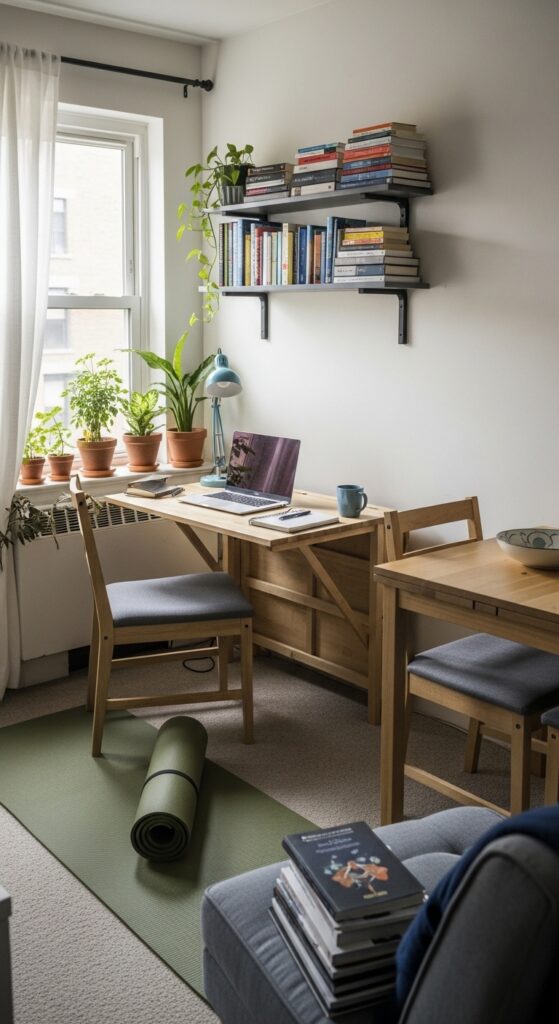
As work, wellness and entertainment move indoors, homes are being redesigned to support flexibility, comfort and identity.
The home has become more than a private shelter. It is now an office, gym, classroom, restaurant, cinema, wellness space and personal brand. The pressures of modern life have moved indoors, and interior design has become a way of managing them.
This change began before the pandemic but accelerated sharply afterward. Remote and hybrid work forced people to reconsider how their homes function. Dining tables became desks. Bedrooms became video-call backgrounds. Living rooms became exercise spaces. Even as offices reopened, many households continued to expect more from their domestic environments.
The most important home trend is flexibility. Furniture that folds, stacks or serves multiple purposes is increasingly valuable, especially in dense cities where space is expensive. A small apartment may need to support work during the day, family meals in the evening and rest at night. Design is no longer only about appearance. It is about transition.
Comfort has also become a priority. Soft textures, warm lighting, natural materials and calming colors reflect a desire for refuge. After years of uncertainty, many people want homes that reduce stress rather than display status. This has helped drive interest in biophilic design, which brings plants, daylight, wood and natural forms into interiors.
The kitchen has regained cultural importance. Home cooking, meal preparation, coffee rituals and health-focused eating have turned kitchens into lifestyle centers. Even people who order food frequently often want kitchens that signal care, wellness and hospitality. Open shelving, organized pantries and visible appliances are part of a broader performance of domestic order.
Bedrooms are being reimagined around sleep. Consumers are investing in mattresses, blackout curtains, cooling sheets, air purifiers and reduced screen exposure. Sleep has become a wellness category, and the bedroom is its main stage. The ideal bedroom is no longer merely decorative; it is designed to support recovery.
Bathrooms are increasingly treated as small spa spaces. Even modest homes may include plants, candles, better lighting or improved storage to create a sense of calm. The luxury spa aesthetic has been translated into affordable rituals: longer showers, skincare routines, bath salts and quiet time.
Technology is embedded throughout the home. Smart speakers, connected lighting, robot vacuums, security cameras and app-controlled appliances promise convenience. But they also raise questions about privacy, repair and dependence. A smart home can feel efficient or intrusive depending on how it is designed and who controls the data.
Sustainability is shaping home choices as well. Energy-efficient appliances, insulation, water-saving fixtures and second-hand furniture appeal to environmentally conscious consumers and cost-conscious households. Vintage and resale furniture also offer individuality in a market saturated with mass-produced design.
The home is also where inequality becomes visible. Wealthier households can create offices, gyms and wellness rooms. Lower-income families may share crowded spaces with little privacy. The lifestyle ideal of a calm, flexible home is not equally available. Housing affordability remains one of the largest constraints on modern well-being.
Social media has transformed interior design into public performance. Platforms are filled with before-and-after renovations, minimalist kitchens and carefully arranged bedrooms. These images inspire creativity but can also create pressure to make private life look constantly polished.
The strongest home trends may be those that accept imperfection. People want spaces that are functional, personal and emotionally supportive. A home does not need to resemble a showroom to improve life. It needs to work for the people inside it.
As work, wellness and entertainment continue to overlap, the home will remain a central lifestyle arena. It is where global trends become daily routines, where economic pressure meets personal taste, and where people try to build stability in a changing world.”””
