As artificial intelligence, medical sensors and regulatory scrutiny converge, smartwatches are moving from fitness companions toward early-warning systems for daily health risks.
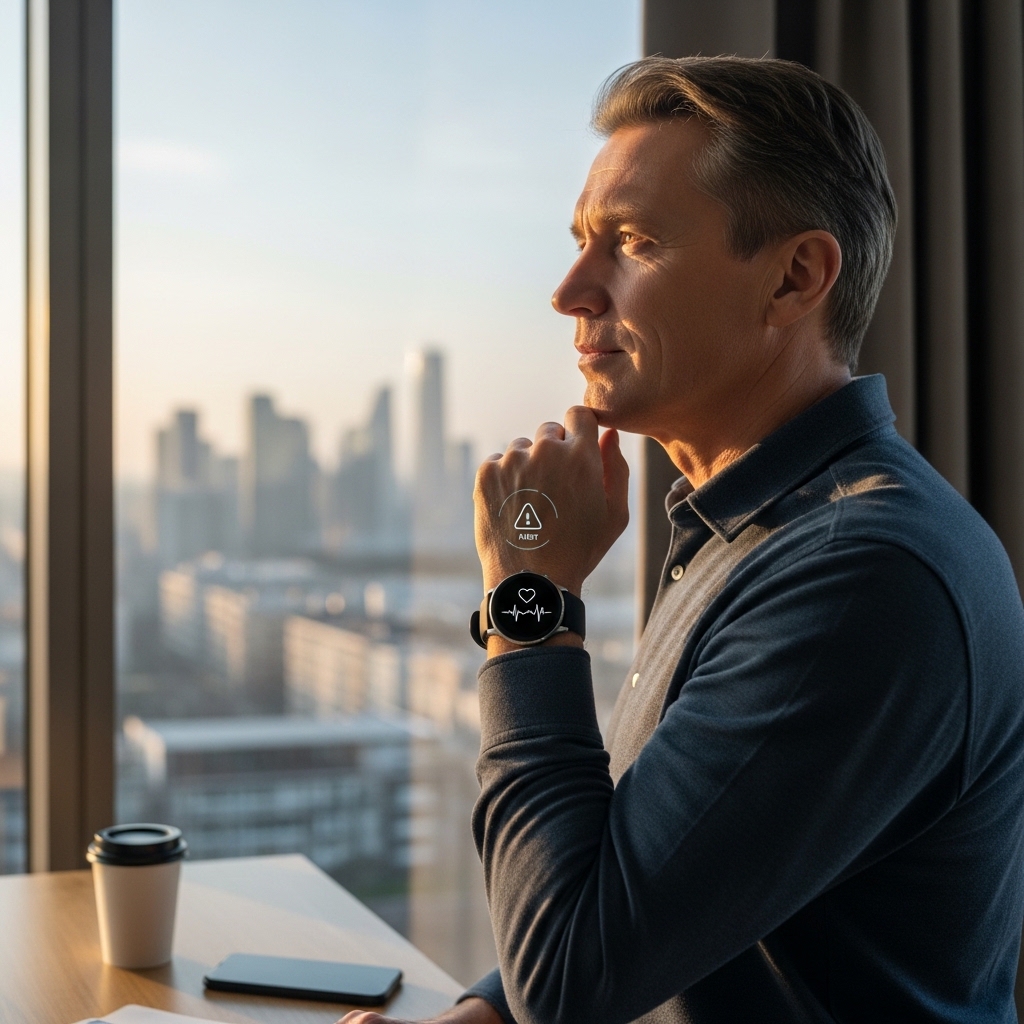
In 2026, the most important health signal from a smartwatch may no longer be the number flashing after a morning run. It may be the quiet vibration on a user’s wrist hours before that person realizes something is wrong.
Across the global wearables industry, smartwatches, rings, earbuds and sensor patches are being repositioned as personal health sentries. Their promise is simple but profound: to detect subtle changes in the body before a person feels tired, dizzy, short of breath or unwell. The shift is being driven by better optical sensors, longer battery life, machine-learning models trained on large health datasets and a new willingness by regulators to treat some consumer devices as medical software when their claims cross the line from wellness into clinical screening.
The idea is not that a watch can replace a doctor. It cannot. But it can watch continuously in ways a clinic cannot. A physician may see a patient once a year. A smartwatch can observe heart rhythm, sleep disruption, respiratory patterns, skin temperature, activity, recovery and blood-oxygen trends every day and every night. In a health system strained by aging populations and chronic disease, that steady stream of data has become commercially valuable and medically intriguing.
The clearest sign of the transition is the language now used by device makers. A decade ago, most wearables counted steps, calories and exercise minutes. Today, leading products advertise sleep apnea notifications, atrial fibrillation alerts, hypertension warnings, recovery scores, stress trends and metabolic indicators. Apple has promoted hypertension notifications and sleep-quality insights in its newer watches. Samsung has expanded sleep apnea detection and AI-backed energy scores across parts of its Galaxy Watch ecosystem. Garmin, Oura, Whoop, Fitbit and Withings have built their reputations around endurance, sleep, recovery or hybrid medical-style monitoring.
The word “warning” matters. Smartwatches are increasingly designed to identify patterns, not diagnose disease. A watch may tell a user that signs suggest possible sleep apnea, irregular rhythm or elevated blood-pressure trends. It may recommend medical consultation or lifestyle review. It may flag poor recovery after intense exercise, unusual resting heart rate, falling heart-rate variability or disturbed sleep. The device is not declaring a condition; it is raising a probability.
That distinction is central to the future of the category. In the United States, features that detect or monitor medical conditions can require clearance or authorization from the Food and Drug Administration. Samsung’s sleep apnea feature received De Novo authorization for detecting signs of moderate to severe obstructive sleep apnea in adults who had not already been diagnosed. Apple’s sleep apnea notification feature was cleared as software that analyzes Apple Watch sensor data for breathing-disturbance patterns suggestive of moderate to severe sleep apnea. Apple also received clearance for a hypertension notification feature, placing machine-learning-based cardiovascular alerts more firmly inside the regulated medical-device conversation.
The regulatory momentum has changed the competitive landscape. Companies can no longer rely only on glossy marketing about wellness. If a device makes medical claims, it must prove safety, effectiveness and appropriate limits. Regulators are also focusing more closely on artificial intelligence-enabled medical devices, including how models are developed, monitored and updated over time. That is especially important for wearables because their algorithms may evolve as companies collect more data and improve detection methods.
For consumers, the result is both exciting and complicated. A smartwatch may notice that a user’s resting heart rate has been creeping upward for several days, that sleep has become fragmented, that respiratory rate has changed and that heart-rate variability has fallen. Individually, each signal may mean little. Together, they may suggest stress, overtraining, infection, poor sleep, alcohol use, dehydration or the early stages of illness. The device may advise rest before the user feels exhausted.
This is where artificial intelligence is reshaping the category. Earlier wearables mostly displayed raw numbers. Newer systems interpret relationships among signals. They may compare today’s body data with a user’s personal baseline rather than a generic population average. A resting heart rate of 72 beats per minute may be normal for one person and unusual for another. A recovery score may look not only at sleep duration but also at oxygen variation, temperature deviation, late-night movement, prior training load and stress markers.
The most advanced models are moving toward prediction rather than description. Instead of telling users they slept badly after the fact, wearables may tell them that they are likely to underperform today unless they delay intense training. Instead of waiting for a person to feel drained in the afternoon, an app may recommend hydration, a lighter schedule or medical attention if several markers are abnormal. For athletes, that can reduce injury risk. For people with chronic conditions, it could support earlier intervention. For healthy consumers, it can turn vague feelings into measurable trends.
Yet the same features create new risks. False alarms can cause anxiety. Missed warnings can create false reassurance. Algorithms may perform differently across skin tones, ages, body types, medical histories and sleep patterns. Optical sensors can be affected by tattoos, motion, loose straps and cold weather. Battery limitations may interrupt overnight monitoring. Some features are available only in certain countries because of regulatory approval, language support or local medical-device rules.
Privacy is another unresolved issue. Wearables collect intimate data: sleep schedules, heart patterns, fertility-related temperature shifts, exercise habits, location-linked activity and signs of stress. As health features become more predictive, the commercial value of that data rises. Device makers say they use encryption, on-device processing and privacy controls, but public trust will depend on how clearly companies explain what is collected, where it is processed, how long it is stored and whether it is shared with insurers, advertisers, employers or third-party apps.
The industry is responding with more local processing. Chips designed for low-power artificial intelligence are beginning to make it possible for wearables to run more sophisticated models directly on small devices. That can reduce cloud dependence, improve response time and potentially protect privacy by keeping sensitive analysis on the watch, ring or earbud. It may also allow health features to work in areas with poor connectivity, a major consideration for older users, travelers and people outside major cities.
Battery life remains a practical dividing line. A watch that must be charged every night may miss the very sleep data needed for health warnings. Hybrid watches and fitness-focused devices often last longer than full-featured app-based smartwatches, while solar-assisted and low-power displays are extending endurance for outdoor users. The most successful health wearables of 2026 are not necessarily the ones with the most sensors, but the ones people wear consistently enough to build reliable baselines.
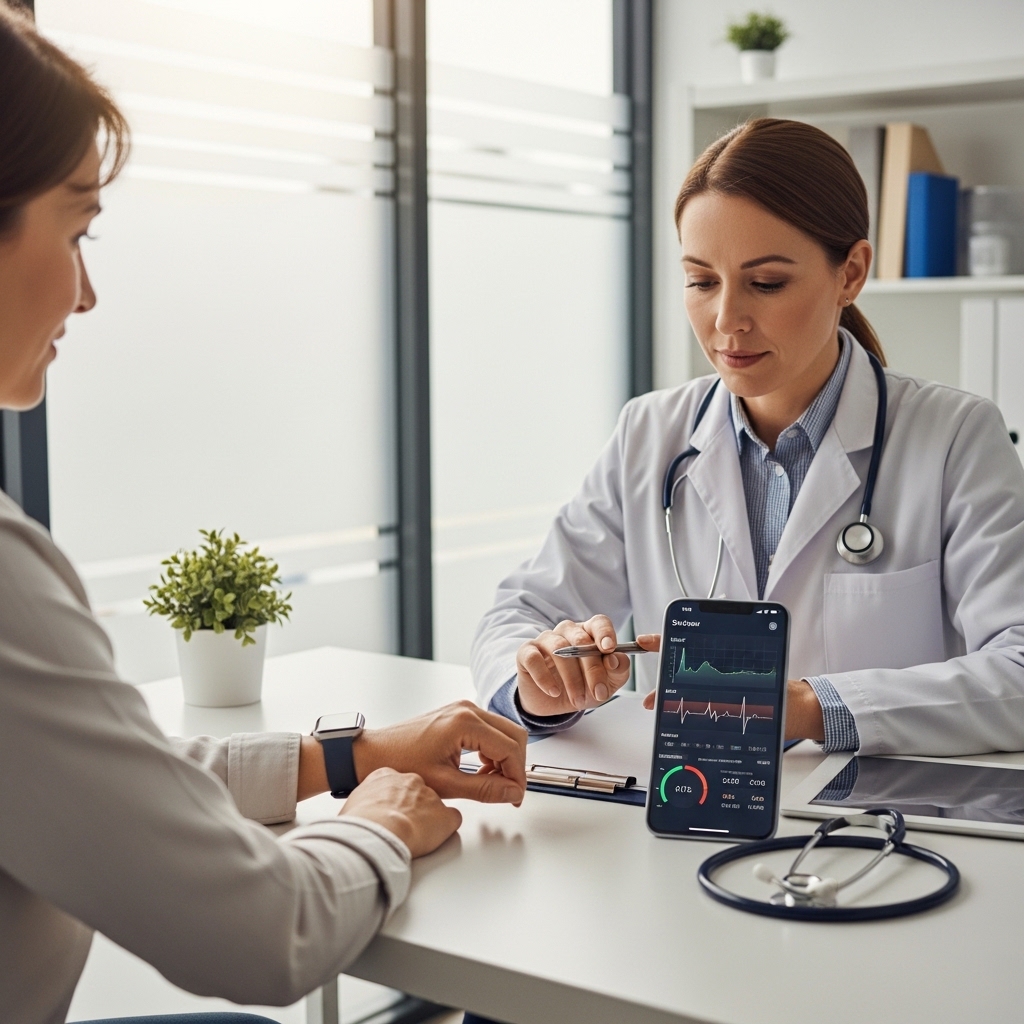
Clinicians are cautiously interested. Continuous wearable data can help identify patterns that a patient may not remember during a short appointment. A report showing repeated breathing disturbances, irregular rhythm notifications or persistent elevated nighttime heart rate can support a more focused conversation. But doctors also worry about data overload. A flood of consumer metrics without clinical context can burden health systems and confuse patients. The most useful devices will be those that turn streams of data into clear, validated, medically relevant summaries.
The future may not belong only to watches. Smart rings are gaining attention for sleep and temperature tracking because they are comfortable overnight. Earbuds may become health platforms because the ear offers stable access to pulse and temperature signals. Sensor patches can monitor continuously for days. Clothing, glasses and even shoes may add movement and posture data. But the smartwatch remains the central consumer device because it combines display, alerts, sensors, connectivity and daily habit.
The phrase “before you feel tired” captures the emotional appeal of this market. People do not only want data. They want reassurance, foresight and control. They want to know whether they should train hard or recover, whether poor sleep is becoming a pattern, whether a racing heart is stress or something more serious, whether a partner’s snoring might signal apnea, or whether a parent living alone may need help.
In 2026, the smartwatch is not yet a doctor on the wrist. It is closer to a smoke detector for the body: imperfect, sometimes annoying, but potentially valuable when it notices a pattern early. Its greatest contribution may be behavioral rather than diagnostic. A timely alert can persuade someone to sleep earlier, drink water, slow down, book a checkup or take a symptom seriously.
That is why the next battle in wearables will not be won only by brighter screens or faster processors. It will be won by trust. Users will need to trust that alerts are accurate enough to matter, modest enough not to frighten, private enough to protect them and clear enough to guide action. Regulators will need to trust that algorithms remain safe after updates. Doctors will need to trust that summaries are clinically meaningful. And companies will need to prove that preventive health is more than a marketing slogan.
The watch that warns before fatigue arrives is already here in early form. The harder question is whether the industry can make those warnings reliable, equitable and useful for millions of people who may never read a medical study but will feel a vibration on their wrist and wonder what their body is trying to say.